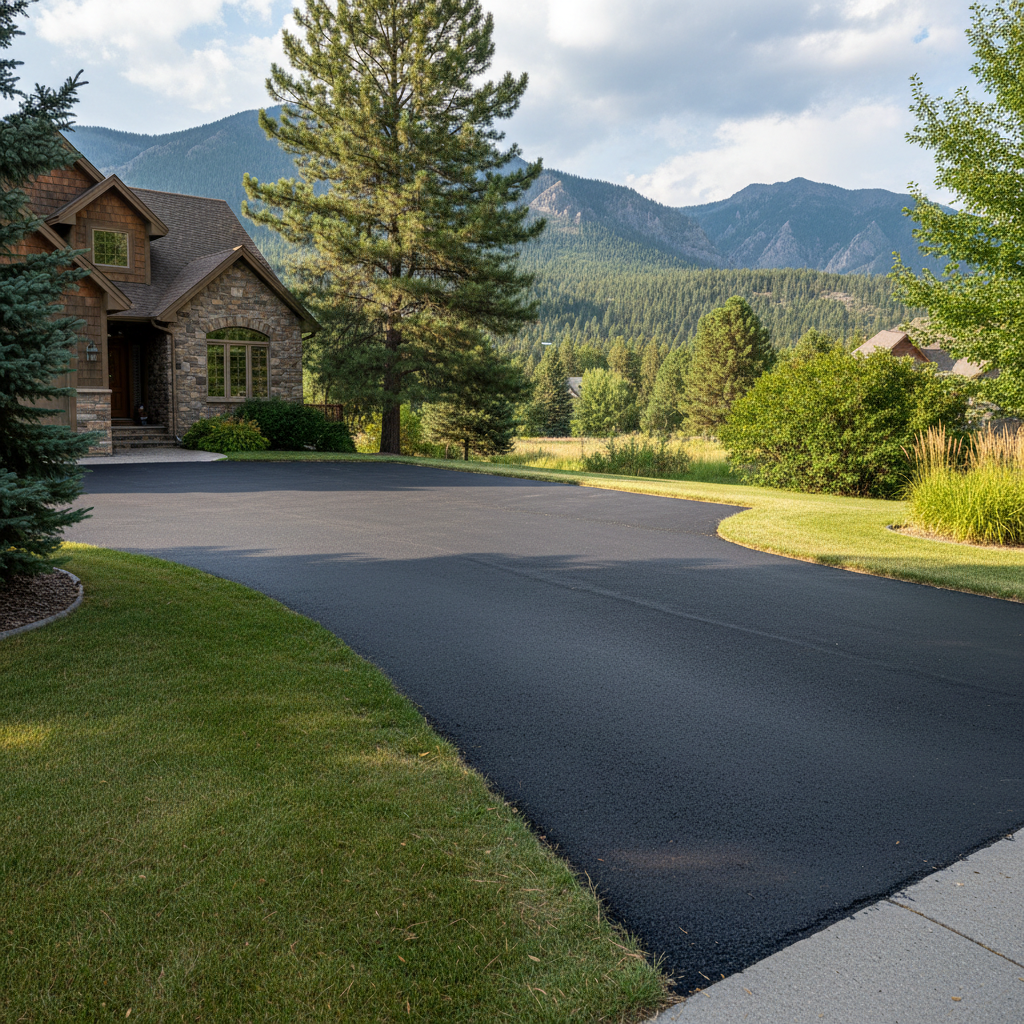
So, you just spent some money getting your asphalt fixed up. Maybe it was a small pothole patch, or maybe a bigger chunk of your driveway. Smart move, either way. But here's the thing: asphalt repairs aren't a "fix it and forget it" kind of deal. To truly get your money's worth and dodge bigger headaches later on, you've really got to keep an eye on things. Especially here in Missoula, where our winters can be pretty brutal and our summers hot, ongoing care is absolutely crucial.
Make Your Asphalt Repairs Last Longer
The single biggest thing you can do to help your asphalt repairs stick around is to shield them from the weather and heavy traffic. Think about it: you wouldn't buy a new truck and then just skip all the oil changes, right? It's the same idea here.
- Sealcoating is your best bet: This is probably the most important step, hands down. A good quality sealcoat works like sunscreen and a raincoat for your asphalt. It protects against those harsh UV rays, which dry out the binder in asphalt and make it brittle. Plus, it stops water from seeping into cracks. For us in Missoula, with all our heavy snow and ice, that water protection is a huge deal. If water gets into cracks and then freezes, it expands, turning small cracks into big ones super fast. We usually suggest sealcoating every 2-3 years, depending on how much traffic it sees and the pavement's overall condition.
- Keep an eye on drainage: Water is asphalt's arch-nemesis. Just make sure water isn't pooling on or even near your repaired spots. If you notice a low area where water collects after it rains or the snow melts, that's a problem just waiting to happen. You might want to think about adding a small French drain or regrading if it's a constant issue.
- Go easy on heavy loads: Sure, asphalt is tough, but repeatedly parking heavy vehicles like RVs, trailers, or commercial trucks in the same spot — especially on newly repaired areas — can really stress the pavement. Try to switch up your parking spots if you can.
- Clean up spills quickly: Oil, gas, and other chemicals? They can break down the asphalt binder. If you spill something, clean it up as fast as you can. Kitty litter or sand can help soak it up, then just sweep it away.
Regular Upkeep: What You Should Be Doing
Beyond sealcoating, there are a few easy things you can do all year long to keep your asphalt looking good.
- Sweep it regularly: Dirt, gravel, and other bits of debris can hold moisture. Over time, that can really contribute to wear and tear. A quick sweep, especially after winter, helps a ton.
- Deal with small cracks right away: Don't just wait for a tiny crack to turn into a monster pothole. Crack filling is a pretty cheap way to stop water from getting in and prevent small problems from blowing up. We get a lot of freeze-thaw cycles in Missoula, especially in places like the Rattlesnake where the ground can stay colder for longer, so sealing those cracks before winter hits is absolutely critical.
- Keep plants away: Weeds and tree roots can really mess up asphalt. Roots can grow right under and through the pavement, causing cracks and bumps. So, make sure you pull any weeds that sprout in cracks and trim back any plants that are getting too close.
Warning Signs: When to Take a Closer Look
Your asphalt will actually tell you when it's having trouble, if you just know what to look for. Catching these signs early can save you a bunch of money and a lot of headaches.
- New cracks or existing ones getting wider: This is probably the most obvious sign, isn't it? If you spot new hairline cracks, or if the ones you had filled are starting to open up again, it's time to do something.
- Potholes starting to form: A pothole means water got under the asphalt and wore away the base. Don't ignore them; they'll only get bigger.
- Fading or graying surface: If your asphalt looks dull and gray instead of that nice dark black, it means the binder is oxidizing. This makes the pavement brittle and much more likely to crack. This is a clear sign you need sealcoating, no doubt about it.
- Pooling water: Like I said before, if water isn't running off your pavement, you're going to have problems.
- Loose aggregate: If you're seeing little stones coming loose from the surface, it means the binder isn't doing its job anymore. This can lead to raveling, where the surface just starts to fall apart.
When It's Time to Call a Professional
While you can handle some minor crack filling and sweeping yourself, there are definitely times when you really need to bring in the pros. Don't try to DIY a major repair; you'll probably just end up spending more in the long run.
- Big potholes or lots of them: If you've got a pothole bigger than a dinner plate, or several smaller ones, it usually points to a deeper issue with the base. A professional can properly dig it out, fix the base, and lay down new asphalt.
- Extensive cracking (alligator cracking): This pattern of cracks looks just like alligator skin and means there's significant structural failure. This usually needs a patch or even a full-depth repair, not just some crack filler.
- Major drainage issues: If your driveway floods all the time or has big puddles that just won't go away, you might need professional grading or some real drainage solutions.
- Uneven surfaces or sinking areas: If parts of your asphalt are sinking or getting bumpy, it means the material under the surface is failing. That's not something you can fix with a bucket of cold patch, unfortunately.
- When it's time for sealcoating: While some folks try to do this themselves, a professional application guarantees even coverage, the right materials, and a much longer-lasting result. We use commercial-grade sealants and equipment that you simply can't pick up at the hardware store.
Look, your asphalt is an investment. Taking care of it with regular maintenance and knowing when to call in Top Line Asphalt Missoula for the bigger jobs will save you money, time, and frustration. It'll keep your property looking good and safe for years to come, even with our wild Missoula weather.