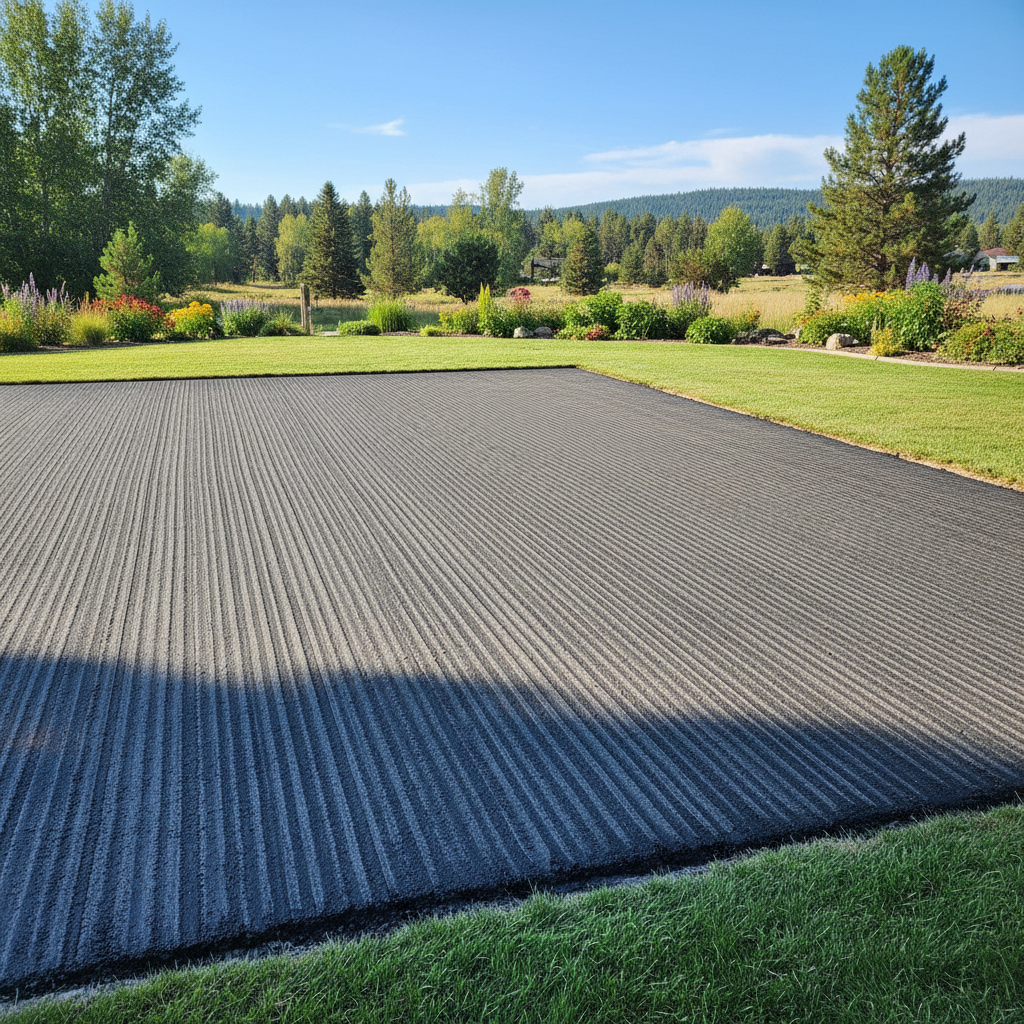
You're probably thinking about milling your asphalt, maybe to fix some really bad cracks or to get ready for a new layer without making the grade too high. That's a smart move, especially with how our Missoula winters can really beat up a driveway. But I've seen plenty of folks make some pretty basic mistakes, turning a good idea into a real headache. Let's talk about what you should watch out for.
What Even IS Milling, Anyway?
This is probably the biggest one, honestly. Some homeowners think milling is just like grinding up the old asphalt and that's it, job done. They don't realize it's actually a precise process. Milling removes a specific depth of the existing asphalt surface, using a rotating drum with cutting teeth. It creates a textured surface that's perfect for a new asphalt overlay to bond to. It's not just a rough patch job; it's a foundational step.
If you don't understand this, you might not ask the right questions about depth, or how they'll remove the material, or even what happens to the milled stuff. You could end up with a contractor who just skims the surface when you really needed a deeper cut, or one who leaves a mess of milled asphalt for you to deal with. Always clarify the scope of work: how deep are they cutting, what's the plan for the edges, and what's included in the cleanup?
Ignoring Drainage and Slope
Missoula gets its fair share of rain and snowmelt, especially in spring. If your driveway or parking lot has standing water issues now, milling won't magically fix them unless it's part of the plan. In fact, if done incorrectly, it can make things worse.
A good milling contractor will check your existing drainage. They'll talk about how the milling process can help re-establish proper slopes and make sure water runs off correctly. I've seen projects where folks just wanted the top layer removed, and then they were surprised when their drainage problems stuck around or even got worse because the new surface just followed the old, bad contours. Make sure whoever you hire is looking at the bigger picture of water management, especially with our heavy spring runoff from the Rattlesnake or Pattee Canyon.
Not Getting Specifics on Material Disposal
Milling creates a lot of asphalt millings — basically, recycled asphalt pavement (RAP). This stuff isn't just dirt; it's a valuable aggregate, actually. Some contractors will include the cost of hauling it away in their bid. Others might expect you to handle it, or they might even try to charge you extra for disposal later if it wasn't explicitly discussed.
Always ask: What happens to the millings? Is disposal included in the price? Will they be hauled off-site, or are they being used elsewhere on your property? Don't assume anything. Get it in writing. You really don't want a mountain of asphalt chunks sitting in your yard after the crew leaves, do you?
Choosing the Lowest Bid Without Doing Your Homework
Look, everyone wants a good deal. But with asphalt work, the lowest bid is often low for a reason. Maybe they're cutting corners on equipment maintenance, maybe they're not fully insured, or maybe they're planning on rushing the job and moving on.
When you're comparing bids for milling, don't just look at the bottom line. Ask for references. Check their online reviews. Make sure they're properly licensed and insured to work in Missoula. A reputable contractor, like us at Top Line Asphalt Missoula, will be transparent about their process, their insurance, and what's included in their pricing. A few extra dollars upfront for a reliable, experienced crew can save you thousands in repairs down the road.
Not Planning for the Next Step
Milling is usually a preparatory step. So, what's coming next? Are you putting down a new asphalt overlay? Are you using the millings as a base for something else? If you're not clear on your long-term plan, you might end up with a milled surface that's not quite right for what you intend to do next.
For example, if you're planning a thin overlay, the milled surface needs to be very consistent. If you're just using it as a temporary gravel-like surface, the finish might not need to be as precise. Talk to your contractor about your overall vision. They can advise on the best milling approach to set you up for success, not just for the milling itself, but for the entire project.
Milling is a great way to revitalize an old asphalt surface. Just make sure you're going into it with your eyes open, asking the right questions, and working with someone who knows what they're doing. It'll save you a lot of grief.