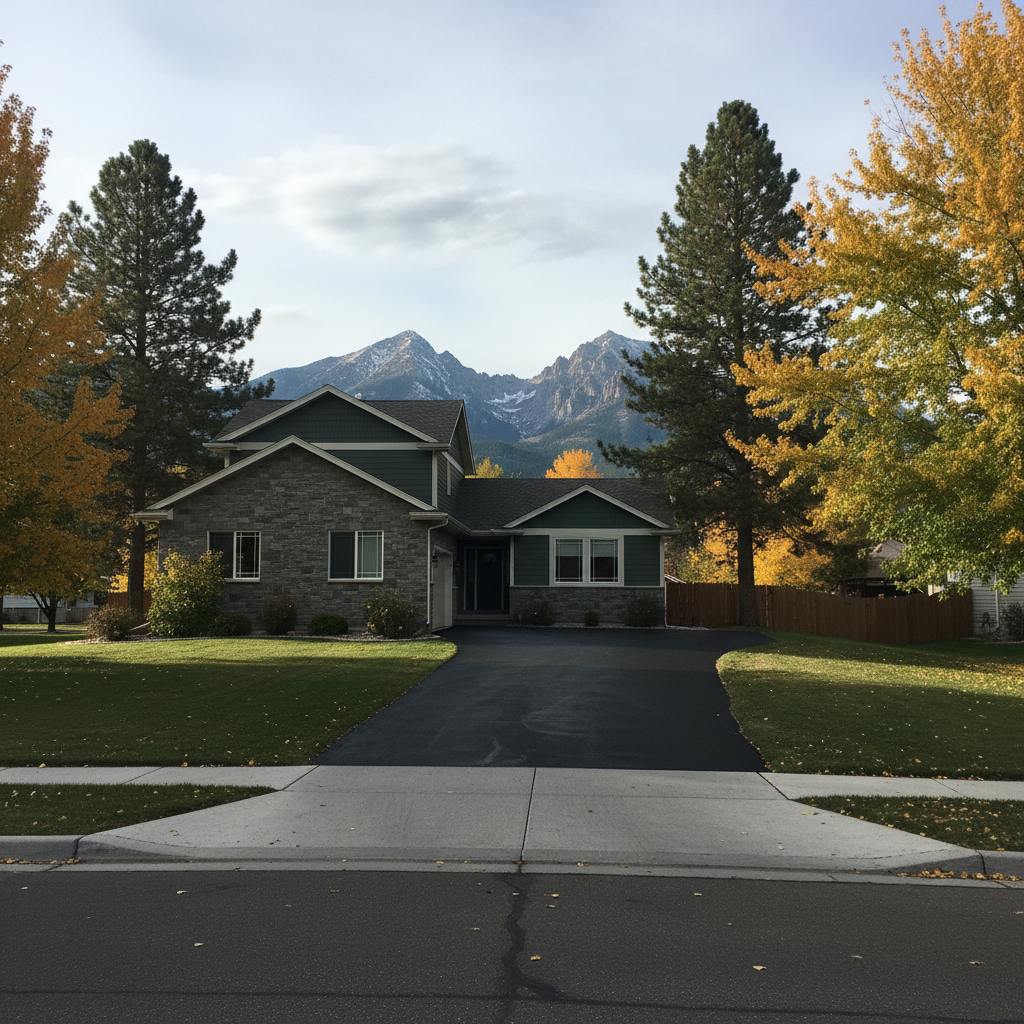
You have a nice home here in Missoula, and you want your driveway to look good as well as last a long time. This means you need sealcoating. But if you are like most homeowners, you probably wonder when the right time is to get this done. Here in Missoula, with our unique climate, timing is important. It is everything for a successful sealcoat that actually protects your investment.
When to Schedule Your Sealcoating in Missoula
We will get straight to it: the best time for Sealcoating in Missoula is usually from late spring through early fall. This is specifically from May through September. Why then? Because Sealcoating is not just about putting some product down. It needs specific conditions to cure properly as well as bond with your asphalt.
You should think about it. Our winters are freezing, and our summers can get pretty hot. You need a consistent stretch of warm, dry weather for the sealant to do its job. If you try to Sealcoat too early in spring or too late in fall, you risk temperatures dropping too low. This can mess up the curing process.
Our team has seen people try to push it, and it rarely works out. The sealant will not bond correctly. It will peel, or it will flake. It just will not offer the protection you paid for. So, you should aim for those months when we are consistently seeing daytime temperatures above 50°F. Ideally, it should be closer to 70°F and rising.
Weather Conditions That Make or Break the Job
It is not just about the month. It is about the daily forecast. Here is what we contractors look for:
- Temperature: As we said, 50°F and above is the minimum. It needs to stay that way for at least 24-48 hours after application. Ideal conditions are around 70°F. If it is too cold, the sealant will not cure. If it is too hot, say above 90-95°F, it can dry too fast on the surface before the underlying layers have a chance to bond. This leads to issues. Sometimes, Top Line Asphalt Missoula will schedule applications for early morning or late afternoon during those really hot summer days. This helps to avoid the peak heat.
- No Rain: This one is easy to understand. You absolutely cannot Sealcoat if rain is in the forecast. You also cannot Sealcoat if it has rained recently. Water will dilute the fresh sealant. It will also wash it away. Water can also prevent it from bonding properly. We need a dry surface. We also need no rain expected for at least 24 hours after.
- Low Humidity: High humidity means the air is already full of moisture. This slows down the drying as well as the curing process. We want clear, dry air for the best results.
- Minimal Wind: A light breeze can help with drying. However, strong winds over 12-15 mph can cause problems. Strong wind can make it hard to apply the sealant evenly. It can also blow debris onto the wet surface.
Protecting Your Asphalt Investment Year-Round
Sealcoating is a big part of it, but it is not the only thing. Our Missoula climate, with its freeze-thaw cycles as well as strong sun, is tough on asphalt. Here is how to protect your driveway all year long:
- Regular Sealcoating: This is your main defense. Sealcoating creates a protective barrier against UV rays as well as water penetration as well as oxidation. It is recommended every 2-3 years, or 2-5 years depending on traffic and conditions. This will extend the life of your pavement significantly.
- Crack Sealing: This is important, especially before winter hits. Small cracks are entry points for water. When that water freezes, it expands. This makes the cracks bigger and leads to potholes. This is called frost heave. It is a real problem in areas like the Rattlesnake Valley where we get those fluctuating winter temperatures. Hot-pour rubberized sealant is what you want here. It stays flexible as well as holds up through our temperature extremes.
- Good Drainage: Water is asphalt's worst enemy. You should make sure water drains away from your driveway. It should not drain onto it or pool on the surface. Proper grading as well as functioning gutters are key.
- Cleanliness: You should keep your driveway clear of dirt as well as oil as well as chemicals. These can degrade the asphalt over time. A quick sweep or hose-down now and then goes a long way.
- Winter Care: You should be careful with snow removal. Shovel carefully to avoid gouging the asphalt. You should try to avoid piling snow directly on the edges of your driveway for long periods. This is because the melting water can seep into cracks.
By understanding Missoula's seasons and taking these steps, you are not just maintaining your driveway. You are protecting a significant part of your home's value. We at Top Line Asphalt Missoula are always here to help you make smart choices for your pavement. You should not hesitate to reach out if you have questions or need an estimate.