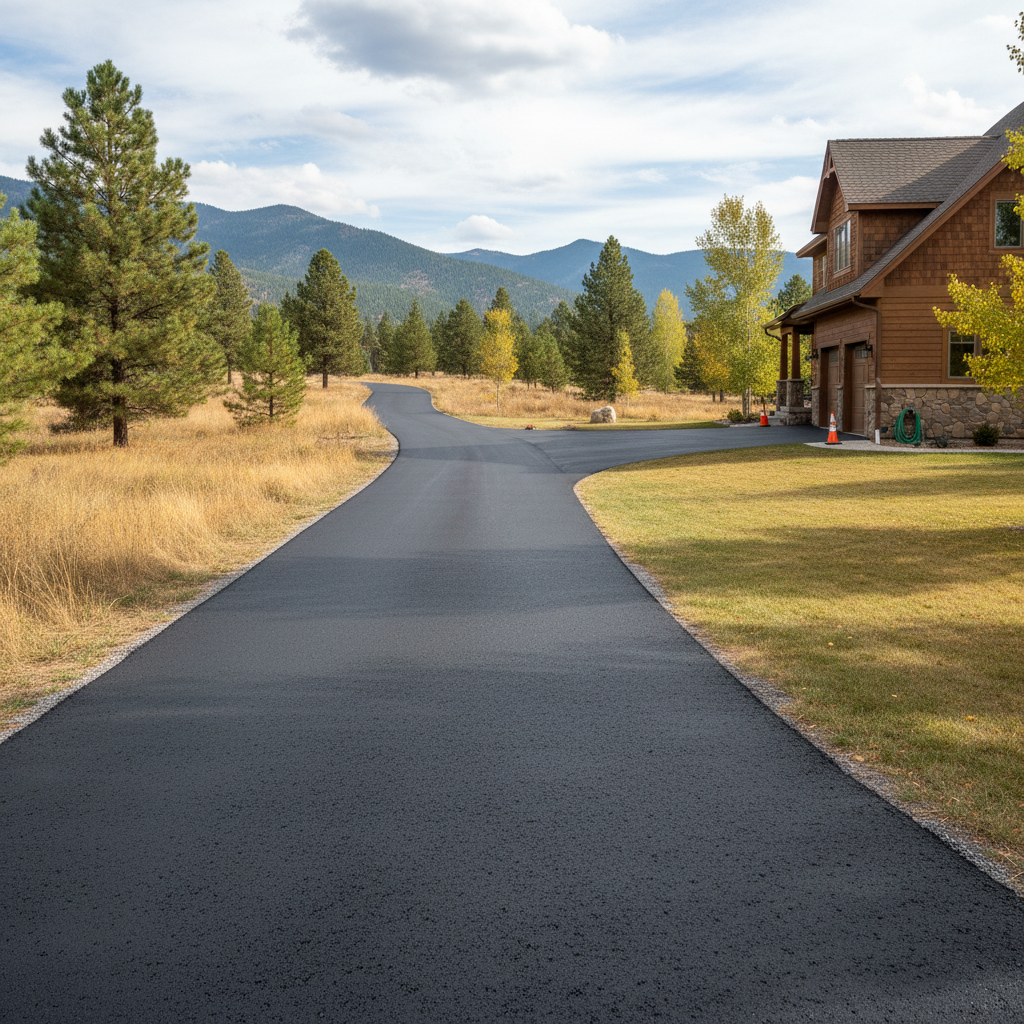
When's the best time to slurry seal your driveway here in Missoula? That's a question I get a lot, actually, and it's a really good one. You see, getting the timing right isn't just about convenience; it's absolutely crucial for how well that sealcoat performs and, honestly, how long it lasts. It's an investment, after all, and you want it to pay off.
Why Timing is Everything for Slurry Seal
Slurry seal isn't just some pretty black top; it's a protective layer. It fills small cracks, brings back lost aggregates, and gives your asphalt a fresh, uniform surface. But for it to cure properly and bond with your existing pavement, it needs specific conditions. Here in Missoula, our seasons swing pretty wildly, so you can't just pick any old day on the calendar.
Think about it like this: you wouldn't paint your house in a blizzard, right? Same goes for asphalt. The material needs to dry and cure, and that whole process really depends on temperature, humidity, and even sunlight.
The Ideal Missoula Slurry Seal Season
For us, the sweet spot for slurry sealing is typically late spring, through the summer, and into early fall. I'm talking roughly from May to September, sometimes even October if we get a nice, long Indian Summer. Why then?
Consistent Warm Temperatures: Slurry seal needs ambient temperatures to be consistently above 50°F, and ideally, above 60°F for several days after we put it down. This helps the water evaporate and the emulsions break and cure correctly. Our spring and summer days usually deliver this, thankfully.
Lower Humidity: While we can get some humid days, our summers generally aren't oppressively wet like some other regions. Lower humidity means faster drying times, which is always a plus.
Plenty of Sunlight: UV rays actually help the curing process. Our long summer days give the freshly applied sealcoat lots of time to soak up the sun and harden up.
Trying to apply it too early in spring when nighttime temperatures still dip below freezing, or too late in fall when the ground is already cooling down, is just asking for trouble. You risk poor adhesion, cracking, and a shorter lifespan for your sealcoat. You've spent good money; don't let bad timing compromise it.
Weather Conditions to Watch Out For
Even within the ideal season, you've got to keep an eye on the forecast. I always tell folks:
Rain is the Enemy: This is the big one. If there's any chance of rain within 24-48 hours after application, we're rescheduling. Water can wash away uncured slurry, ruin the finish, and prevent proper bonding. It's just not worth the risk, plain and simple.
Overcast vs. Sunny: While sun is great, a slightly overcast day with warm temperatures can sometimes be ideal. It keeps the material from drying too quickly on the surface before the deeper layers have a chance to cure, which can lead to hairline cracks. But don't mistake overcast for cold and damp!
Wind: A little breeze is fine, it helps with drying. But strong, gusty winds can blow debris onto the wet surface or cause the material to dry unevenly. We'll monitor wind conditions closely, believe me.
This is why working with a local contractor like Top Line Asphalt Missoula is so important. We know Missoula's microclimates. We know that a sunny day downtown might still mean chilly, damp conditions up in the Rattlesnake. We're not just looking at a general forecast; we're looking at your specific location and the conditions that affect our work.
Protecting Your Slurry Seal Investment Year-Round
Once your driveway is beautifully sealed, you want to keep it that way. Here's how to protect your investment:
Give it Time to Cure: This is critical. Stay off the sealed surface for at least 24-48 hours, and sometimes longer for heavier vehicles or in cooler, more humid conditions. We'll give you specific instructions, of course. Driving on it too soon can leave tire marks and compromise the seal.
Keep it Clean: Sweep off loose dirt, gravel, and leaves regularly. This prevents organic matter from breaking down on the surface and keeps abrasive materials from grinding into the sealcoat.
Address Spills Quickly: Oil, gas, and other automotive fluids are harsh on asphalt. Clean up spills immediately with an absorbent material and a mild detergent. Don't let them sit and soak in.
Avoid Heavy Point Loads: Try not to park heavy vehicles or equipment in the exact same spot for extended periods, especially during hot weather. The heat can soften the asphalt and leave indentations.
Watch for Weeds: Weeds can grow through cracks, even small ones. Pull them out promptly to prevent them from widening existing cracks or creating new ones.
Regular Inspections: Walk your driveway a few times a year. Look for new cracks, areas where the sealcoat might be wearing thin, or any other issues. Catching small problems early can save you from bigger, more expensive repairs down the road.
Reapply When Needed: Slurry seal isn't a one-and-done solution. Depending on traffic, weather exposure, and the quality of the initial application, you'll generally want to reapply every 2-5 years. This proactive approach is the best way to extend the life of your asphalt driveway.
Taking care of your asphalt isn't just about making it look good; it's about preventing costly deterioration. A well-maintained driveway adds curb appeal and value to your home. If you've got questions about your Missoula driveway, or you're thinking about getting it sealed, don't hesitate to give us a call.